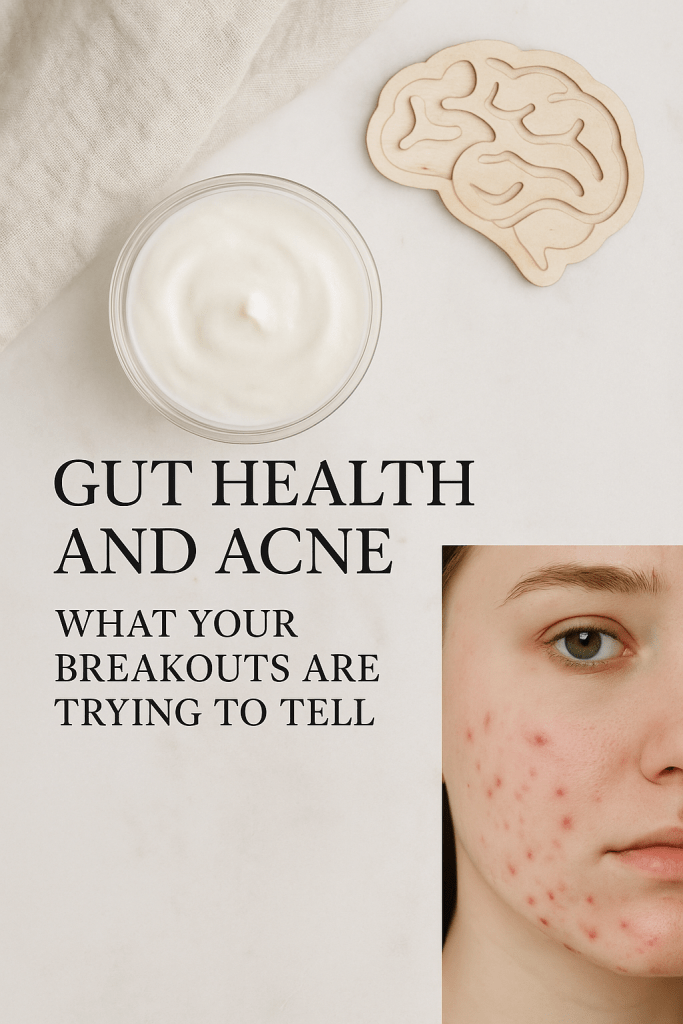
Gut Health and Acne: What Your Breakouts Are Trying to Tell 🧠🧼


Struggling with breakouts that won’t quit? Your gut might be the real culprit. Learn how gut health affects acne, the best foods for clear skin, and how to heal from the inside out—nurse-approved!”

Acne and Gut Health: More Connected Than You Think ✨

As a wound and ostomy nurse in my 40s who’s obsessed with all things skin, poop, and probiotics (yep, I said it 💩💁‍♀️), I can confidently say your breakouts might be your gut waving a red flag 🚩.

It’s not just about what you put on your face. It’s about what’s happening inside your digestive system. This is the gut-skin connection in action — and it’s real, backed by science, and something I’ve seen both personally and professionally.


What Is the Gut-Skin Axis? 💛

The gut-skin axis is the two-way communication system between your digestive system and your skin. When your gut is out of balance (a condition called dysbiosis), it can set off inflammatory responses that show up as acne, rashes, or dullness.

🧪 What the Research Says:

A 2022 study in the Journal of Clinical Medicine found that people with acne had less diverse gut bacteria and higher levels of harmful microbes compared to those with clear skin. Gut imbalances were linked to increased systemic inflammation and compromised skin barriers.

Translation? Your gut microbiome may be throwing shade at your glow ✨.


💩 Poop Clues: How to Tell If Your Gut Is Messing with Your Skin

  • You get breakouts after eating sugary or dairy-rich foods 🍦
  • You have bloating, gas, or irregular poops
  • Your skin flares up after stress or antibiotics
  • You feel “off” in your digestion and your skin looks dull or inflamed

My Story: How Fixing My Gut Helped My Skin 🫂

In my 30s, I broke out along my jawline like a teen prepping for prom. I was using fancy skincare and eating what I thought was healthy — but I still had breakouts.

Once I focused on my gut, things changed. I added probiotic-rich foods, upped my fiber, cut back on sugar, and focused on hydration. Within 6 weeks, I noticed fewer breakouts, better digestion, and more energy. 🙌


Gut-Friendly Foods That Help Heal Skin From the Inside 🍽️✨

1. Probiotic-Rich Foods

  • Examples: Yogurt, kefir, kimchi, miso
  • Why: They restore gut flora and reduce systemic inflammation that fuels acne

2. Prebiotic Foods

  • Examples: Bananas, onions, garlic, leeks, asparagus
  • Why: These feed the good bacteria in your gut

3. Omega-3s

  • Examples: Salmon, sardines, flaxseeds, walnuts
  • Why: Fight inflammation and support the skin barrier

4. Antioxidant Powerhouses

  • Examples: Blueberries, spinach, sweet potatoes
  • Why: Protect against oxidative stress and brighten skin tone

What to Avoid to Keep Your Gut & Skin Happy 🙅‍♀️

  • Processed sugar: Feeds bad bacteria and increases breakouts
  • Overuse of antibiotics: Kills off your good gut bugs
  • Stress: Weakens the gut lining and messes with hormones
  • Low-fiber diets: Starve your beneficial microbes

Nurse Talk: Why This Gut-Skin Thing Matters Beyond Pimples 👩‍⚕️🧬

As someone who works with skin and guts all day (yes, even colostomies), I see firsthand how gut health influences wound healing, skin regeneration, hydration, and immunity.

Your skin isn’t just for selfies — it’s your largest organ and reflects what’s going on inside. When your gut is inflamed, your skin is too.


What About You? 🗣️

Have you noticed breakouts when your gut is off? Ever tried probiotics for your skin? Drop a comment and let’s compare poop-and-pimple stories 🤭💬


Stay glowy (and regular),

Your Favorite Wound Care Nurse Who Talks About Poop & Pimples 💕

⚠️ Disclaimer: I’m a Nurse, But Not Your Nurse 😉
This blog is for general education and entertainment purposes only. It’s not medical advice. Always talk to your healthcare provider before starting new diets, supplements, or treatments. Your skin is unique—just like your poop 💩.

👉 Related: Best Gut-Healing Foods for Thicker, Shinier Hair
👉 Don’t miss: What Your Poop Is Telling You (And When to Worry)
Can Probiotics Help with Hair Growth? The Research-Backed Truth 💊🧠


From Poop Talk to Hair Talk 💩➡️💇‍♀️

If you’re anything like me—a nurse in her 40s who talks about poop as often as she talks about skincare—then you’ve probably wondered: Can my gut health really affect my hair? And more importantly: Can probiotics help my hair grow back or grow better? Let’s dive into the scalp-tingling science! 🧬


What’s the Gut-Hair Connection, Anyway?

The idea that your gut can affect everything from your mood to your skin isn’t new. But researchers are now uncovering links between gut health and hair health too. Just like the gut-skin axis, there’s a growing belief in a gut-hair axis—where inflammation, poor nutrient absorption, and microbial imbalances (dysbiosis) can contribute to hair loss and poor hair quality.

A 2021 study published in Frontiers in Cellular and Infection Microbiology found that gut microbial imbalances were linked to telogen effluvium (a common type of hair shedding), due to increased systemic inflammation and nutrient depletion. So, yep—it’s not just vanity, it’s biology!


How Probiotics Might Help With Hair Growth 🦠💇‍♀️

Probiotics are live beneficial bacteria that help balance your gut microbiome. Here’s how they could potentially boost your hair health:

1. Reduce Inflammation

Chronic inflammation can disrupt the hair cycle and damage hair follicles. By balancing gut flora, probiotics help lower inflammation throughout the body, including the scalp.

2. Improve Nutrient Absorption

Your hair thrives on nutrients like biotin, zinc, iron, and B vitamins. A healthy gut helps absorb these more efficiently, making sure your hair gets the building blocks it needs to grow.

3. Support Hormonal Balance

Some strains of probiotics (like Lactobacillus rhamnosus) may support hormonal health by improving estrogen metabolism—important for those struggling with hormone-related hair loss.

4. Boost Immunity & Fight Pathogens

An overgrowth of harmful bacteria or yeast (like Candida) can interfere with nutrient absorption and trigger immune responses that impact hair health. Probiotics help keep these troublemakers in check.


My Story: Poop, Probiotics & Ponytail Power 💪💩

I used to think thinning hair was just a side effect of getting older (hello, 40s 👋) genetics is involve too. But when I started focusing more on gut health—cutting out processed foods, upping my fiber, and taking a targeted multi-strain probiotic—I noticed more than just better digestion. My skin glowed, my bloating improved, and surprise… my hair looked thicker. My ponytail actually bounced again. Coincidence? I think not.


Best Probiotic Strains for Hair & Scalp Health

Not all probiotics are created equal. Here are a few that show promise:

  • Lactobacillus plantarum – Anti-inflammatory, promotes nutrient absorption
  • Lactobacillus rhamnosus – Supports hormonal balance
  • Bifidobacterium longum – Reduces gut inflammation
  • Lactobacillus paracasei – Helps skin and scalp barrier function

🔍 Tip: Look for a high-quality probiotic with multiple strains and at least 10–20 billion CFU.


Gut-Friendly Foods That Also Feed Your Hair 🍓🥬🐟

Food is your foundation. These are my go-to gut-friendly foods for strong hair:

  • Fermented foods (yogurt, kefir, sauerkraut, kimchi) – Natural probiotics
  • Leafy greens – Full of folate, iron, and fiber
  • Fatty fish – Omega-3s reduce inflammation
  • Sweet potatoes – Rich in beta-carotene for scalp health
  • Pumpkin seeds – Packed with zinc and magnesium

P.S. These are also amazing for wound healing—bonus nurse tip! 🩹


What Does the Research Say? 📚

A 2022 review in the Journal of Cosmetic Dermatology noted that probiotics may improve the scalp microbiome, reduce dandruff, and support hair follicle cycling. Another clinical study showed that participants who took probiotics reported better skin hydration and hair strength.

So while more research is needed, the science is catching up with what many of us see in real life.


Final Thoughts: Should You Take Probiotics for Hair Growth? 🤔

If your gut is struggling, your hair likely is too. While probiotics aren’t a magic fix, they’re a powerful tool in a holistic approach to beauty, wellness, and—yep—even wound healing. Think of them as beauty boosters that start in your belly.


Let’s Get Chatty 💬

Have you ever tried probiotics for your skin or hair? Did you notice a difference? Drop your experience in the comments—I’d love to hear what’s worked (or flopped) for you!

And if you loved this post, check out:


https://gutglow.blog/2025/05/27/%f0%9f%a6%a0-probiotics-for-your-face-the-gut-skin-connection-you-need-to-know/

https://gutglow.blog/2025/05/31/microdermabrasion-101-the-secret-to-radiant-smooth-skin-%e2%9c%a8/


    Thanks for hanging out with me today, friends. Until next time—stay hydrated, eat your fiber, and don’t be afraid to talk about poop. 😉

    ⚠️ Disclaimer (Because I’m a Nurse, Not Your Nurse 😉)

    This blog is for general education and entertainment purposes only and should not be considered medical advice. Always consult your healthcare provider before starting new supplements or treatments.

    The Healing Plate: Anti-Inflammatory Foods I Swear By 🥦🍇✨

    Hey friends! Nurse here — with 22 years of experience, a passion for skin, gut, and all things wellness, and yes, a serious love for food that heals. As an ostomy and wound care nurse in my fabulous 40s, I’ve learned that what you put on your plate can make a massive difference—not just for your gut, but for your skin too. Because guess what? Your gut and skin are BFFs, and inflammation is the party crasher nobody invited.

    So let’s talk anti-inflammatory foods that I swear by. These are not just trendy buzzwords—these foods really work to calm your body, help your wounds heal, and keep your skin glowing like you just stepped out of a spa. Ready? Let’s dive in! 🥑

    Why Anti-Inflammatory Foods Matter for Gut & Skin Health

    Inflammation is your body’s natural response to injury or infection. But when inflammation sticks around too long, it can wreak havoc on your digestive system and skin. That means more bloating, breakouts, wrinkles, and slower wound healing (and nobody wants grandma’s elbow look on their face, right?).

    Eating foods that fight inflammation helps:

    • Support your gut lining and microbiome 🦠
    • Boost collagen production for smooth, plump skin 💧
    • Speed up wound healing ⏳
    • Reduce redness, puffiness, and wrinkles 🧴

    My Top Anti-Inflammatory Foods That Make the Cut

    1. Fatty Fish 🐟

    Think salmon, mackerel, sardines. Loaded with omega-3 fatty acids, these fish are inflammation’s worst enemy and your skin’s best friend.

    2. Berries 🍓

    Blueberries, strawberries, raspberries — antioxidants galore. They fight free radicals that age your skin and irritate your gut.

    3. Leafy Greens 🥬

    Spinach, kale, collards. Packed with vitamins A, C, and K plus fiber to keep your digestion smooth and skin radiant.

    4. Nuts & Seeds 🌰

    Almonds, walnuts, chia, flaxseeds — full of healthy fats and fiber that nourish your gut and support skin elasticity.

    5. Turmeric & Ginger 🌿

    These spicy roots are like nature’s anti-inflammatory superheroes. Bonus: turmeric adds a beautiful golden glow to your meals (and your skin)!

    6. Olive Oil 🫒

    A Mediterranean staple that keeps inflammation down and your skin supple and moisturized.

    7. Green Tea 🍵

    Sip your way to calmness and antioxidants that protect skin cells and soothe your digestive tract.

    Foods to Take It Easy On 🚫

    • Sugar (the sneaky wrinkle and gut bloat culprit)
    • Processed snacks and fast food
    • Excess alcohol
    • Refined carbs

    Bonus Tips for Gut & Skin Love 💕

    • Stay hydrated like your skin depends on it (because it does!) 💦
    • Move your body daily — exercise helps reduce inflammation and keeps your circulation up
    • Prioritize sleep — healing happens when you’re catching those Zzzs 😴

    ⚠️ Disclaimer (Because I’m a Nurse, Not Your Nurse 😉)
    This blog is for general education and entertainment purposes only. Always consult with your doctor, dietitian, dermatologist, or wound/ostomy care specialist—especially if you have specific conditions, allergies, or medical devices like an ostomy. What works for one person might not work for another (especially when it comes to ileostomy vs colostomy vs urostomy—big differences, folks!).


    Feed your gut, nourish your skin, and rock that healing glow from the inside out! Got a favorite anti-inflammatory food I missed? Drop it in the comments—I’m always hungry for knowledge! 🥗✨


    Stress Poops, Hormonal Bloat, and Other Things Nobody Talks About 💩🙃

    Let’s get real for a second. If you’ve ever been running to the bathroom before a big presentation or felt like a balloon during “that time of the month,” you’re not alone—and you’re definitely not weird. As a nurse with a love for all things skin, gut, and wellness, I can confidently say: our bodies are hilarious, confusing, and beautifully complex.

    So today, we’re talking about the “taboo” stuff: stress poops, hormonal bloat, gut mood swings—and yes, how all of it can affect your skin too.


    💥 1. Stress Poops Are a Real Thing (And Totally Common)

    Ever noticed how your belly has zero chill when you’re overwhelmed? That’s your gut-brain axis at work. Stress activates your sympathetic nervous system (hello, fight or flight), which speeds up your gut motility. Translation: 💨 everything’s moving fast—maybe too fast.

    You might experience:

    • Loose stools or urgency
    • Cramping
    • Gas or bloating
    • Flare-ups if you have IBS

    Nurse tip: Deep breathing, walking, or sipping peppermint tea before stressful events can help calm your vagus nerve—your gut’s best friend.


    💃 2. Hormonal Bloat: Not Just a “Period Problem”

    Hormones are bossy little things. Estrogen and progesterone fluctuate throughout your cycle, and these shifts can slow down digestion, increase water retention, and cause major bloat.

    You might notice:

    • Puffy face (hi, mirror!)
    • Sluggish digestion
    • Skin breakouts (especially around the chin)

    Nurse tip: Drink more water (yes, it actually helps with bloat), add magnesium-rich foods like leafy greens or pumpkin seeds, and support your liver with foods like cruciferous veggies. It all helps detox those excess hormones.


    😳 3. Anxiety and the “Nervous Tummy”

    Ever had to scan the room for a bathroom just in case your nerves triggered your stomach? That’s not just in your head (well… it kind of is—but also your gut). Emotional stress changes your gut flora and affects your entire digestive process.

    What helps:

    • Journaling or therapy (mental health = gut health)
    • Adaptogens like ashwagandha (check with your doc!)
    • Probiotics (especially strains like Lactobacillus rhamnosus GG)

    🧖‍♀️ 4. Gut Drama = Skin Drama

    Here’s where it gets juicy. When your gut is inflamed or stressed, your skin gets the memo. You might see:

    • Acne
    • Redness
    • Dullness
    • Dryness or excess oil

    It’s not just what you put on your skin, it’s what’s going on inside too.

    Nurse-approved glow tips:

    • Hydrate like it’s your job 💧
    • Eat fermented foods 🥬
    • Get enough fiber (think chia, flax, berries)
    • Limit ultra-processed foods (your gut and skin will thank you)

    🧠 You’re Not “Too Sensitive”—You’re in Tune

    Your gut feelings are valid. Poop, bloat, and skin freak-outs are often messages, not malfunctions. They’re clues from your amazing, interconnected body.

    You’re not broken. You’re incredibly complex—and that’s kind of awesome.


    Final Thoughts from Your Favorite Gut-Obsessed Nurse 💁‍♀️

    We don’t talk about these things enough, so here’s your permission slip to stop suffering in silence. Whether you’re dealing with hormonal swings, post-stress poops, or unexplained zits on your jawline—your body is trying to communicate.

    Start listening. Start supporting. And laugh about it when you can. 💩😅


    ⚠️ Disclaimer (Because I’m a Nurse, Not Your Nurse 😉)

    This blog is for general education and entertainment purposes only. Always consult with your doctor, dietitian, dermatologist, or wound/ostomy care specialist—especially if you have specific conditions, allergies, or a medical device like an ostomy. What works for one person might not work for another (especially if we’re talking ileostomy vs colostomy vs urostomy—big differences, folks!).


    Want more skin-gut-wellness real talk?

    Don’t forget to check out my other posts on wound healing nutrition, poop-friendly meals, and my favorite skincare products for nurses on long shifts. 🚽✨


    🥗 Eat for Glow: The Gut-Skin Connection in Every Meal

    Let’s talk glow-up—and not the Instagram-filter kind. I’m talking real, nurse-approved, radiant-from-the-inside-out kind of glow ✨. That post-veggie-bowl, happy-bowels, hydrated-skin, clear-complexion kind of magic.

    As a wound and ostomy nurse who’s spent over two decades knee-deep in poop (literally and figuratively 💩), I can confidently say: your gut health and skin health are BFFs—and your fork is the matchmaker. 🍴💘

    So if you’ve been slathering on serums but still dealing with breakouts, inflammation, or dry patches, it might be time to look below the surface—yep, we’re going gut deep.


    🌿 The Gut-Skin Axis: It’s a Thing, I Promise

    Your digestive tract isn’t just about absorbing nutrients and giving you that glorious morning poop. 🚽 It also plays a major role in:

    • 💥 Inflammation levels
    • 🦠 Immune system regulation
    • 💧 Skin hydration and barrier repair
    • 🌟 Collagen production and wrinkle resilience

    Basically, when your gut’s out of whack, your skin sends out a distress flare—cue acne, dullness, eczema, or even delayed wound healing.


    🧠 Fun Nurse Fact: The Gut Has a Brain of Its Own

    The enteric nervous system, aka the “second brain,” talks to your skin through the gut-brain-skin axis. Stressful day? Your gut bacteria notice. Eat junk food all weekend? Your skin spills the tea Monday morning. ☕️


    🥑 Glow-Up Grocery List: What to Eat for That Inside-Out Radiance

    These foods are skin AND gut heroes. Think of them as the support squad for both your intestines and your Instagram selfies:

    🥬 Leafy Greens (Kale, Spinach, Arugula)

    Packed with fiber and antioxidants—think of them as a broom and a shield in your gut.

    🥕 Orange & Red Veggies (Carrots, Sweet Potatoes, Bell Peppers)

    Loaded with beta-carotene (hello, vitamin A precursor!)—supports skin renewal and reduces dryness.

    🥥 Healthy Fats (Avocados, Olive Oil, Nuts)

    Support cell membranes and reduce inflammation. Plus, fat helps you absorb fat-soluble skin vitamins (A, D, E, K).

    🫐 Berries

    These antioxidant powerhouses help your skin fight off free radicals—and they taste like dessert.

    🧄 Fermented Foods (Kimchi, Sauerkraut, Kefir, Yogurt)

    Bring on the probiotics! They balance gut flora and calm skin issues like acne, rosacea, and eczema.


    ❌ Gut-Skin Glow Killers (Sorry, But We Need to Talk…)

    🍬 Sugar Bombs

    Inflammatory and collagen-destroying. That “sugar face” thing? It’s real.

    🧪 Ultra-Processed Junk

    Your microbiome thrives on whole food diversity—not fake cheese dust and artificial dyes.

    🥤 Dehydration

    Okay, water’s not food, but it’s ESSENTIAL. Dry gut = dry skin. 💦 Drink up, friend.


    💊 Bonus: Gut-Friendly Supplements That Help Skin Heal

    Always talk with your provider first, but here are some MVPs I recommend (especially for wound healing!):

    • Zinc: For tissue repair and immune health
    • Vitamin C: Boosts collagen and immune support
    • Vitamin D: Crucial for immune modulation and skin resilience
    • Probiotics: Choose one with multiple strains for gut flora diversity

    🌟 Real Talk From Your Wound Care Nurse

    Whether you’re healing from a surgical wound, managing your ostomy, or just trying to keep your 40s face glowing while juggling life—food is your ally. I’ve seen people heal faster, feel better, and glow brighter when they support their guts with good nutrition.

    Skincare isn’t just what you put on your skin—it’s what you feed it, too. 🍽💕


    ⚠️ Disclaimer (Because I’m a Nurse, Not Your Nurse 😉)

    This blog is for general education and entertainment purposes only. Always consult with your doctor, dietitian, dermatologist or wound/ostomy care specialist—especially if you have specific conditions, allergies, or a medical device like an ostomy. What works for one person might not work for another (especially if we’re talking ileostomy vs colostomy vs urostomy—big differences, folks!).


    🌈 Final Thought

    Eating for glow isn’t about being perfect—it’s about being kind to your gut and consistent with your choices. Your skin is your biggest organ, and your gut? Well, it’s the backstage crew that keeps the whole show running.

    So go ahead—pile your plate with color, fiber, and fermented goodness. Your skin (and your poop 💩) will thank you.


    🥩🍠 Dad Bod, But Make It Glowing: Gut-Healthy Foods for the Father Figure in Your Life

    Let’s be honest—dad bods are in, but bloated dad bods with breakouts? Not exactly the Father’s Day glow-up we’re going for. Whether you’re married to one, raised by one, or are one—this one’s for the fellas. 👨‍🦱💪

    As a nurse (and a card-carrying member of the Skin-Gut-Health Fan Club), I see firsthand how what we eat affects our poop, skin, mood, and energy. And yes—this applies to dads, too. Even the ones who claim “I don’t need moisturizer” as they rub their face raw with Irish Spring.

    So this Father’s Day, let’s talk about gut-friendly foods that can reduce inflammation, support digestion, and bring that subtle glow (no bronzer required).


    🍳 The Dad Bod Diet Glow-Up

    Here’s what we’re swapping into the diet—without taking away his beloved BBQ.


    1. Salmon or Sardines (a.k.a. Dad’s Omega-3 Boost)

    🐟 Omega-3s = less gut inflammation + clearer, calmer skin.
    Grill it. Smoke it. Toss it on a salad. Just skip the deep fryer, please.

    Bonus: Great for heart health and joint pain. Who says you can’t age like a fine whiskey?


    2. Sweet Potatoes

    🍠 Complex carbs with beta-carotene, a skin-loving antioxidant.
    Swap the fries for roasted sweet potato wedges. Air fryer optional, but encouraged.


    3. Greek Yogurt or Kefir

    🦠 Packed with probiotics that keep the gut happy and skin clearer.
    Want a real treat? Add some berries and honey. Call it “man parfait.”


    4. Kimchi, Sauerkraut, or Pickles (fermented, not fake)

    🥬 A crunchy way to fuel the microbiome.
    If it smells funky, it’s probably working. Just don’t mix with beer pong.


    5. Avocados

    🥑 Healthy fats that help absorb fat-soluble vitamins (like A, D, E, and K—yes, those are skin MVPs).
    Put it on toast, burgers, or just hand him a spoon.


    6. Blueberries

    🫐 Antioxidant powerhouses that fight oxidative stress (aka skin damage + gut inflammation).
    Also pairs well with dad jokes.


    7. Beans & Lentils

    🥣 Full of fiber = regular poops = less bloat = better skin.
    Trust me, if you’re constipated, your face knows. So does your mood.


    🚫 Foods That Wreck the Glow (Sorry, Dad)

    Here’s what might be contributing to bloating, sluggish digestion, or random “angry forehead zits”:

    • Highly processed meats (hello, nitrates)
    • Too much added sugar (hello, belly fat + breakouts)
    • Excess alcohol (sorry beer gut, your glow is gone)
    • Dairy (for some, this = skin flare-ups and gas attacks)
    • Fried foods (gut inflammation’s favorite snack)

    💩 Bonus Tip: Poop Watch = Skin Watch

    Constipated? Bloated? Passing gas like it’s a talent?
    Yeah, your skin will reflect that. The gut-skin axis is real. When your gut is sluggish, so is your glow.


    💧 Hydration Station: Real Men Drink Water

    Tell him hydration isn’t just for marathon runners or skincare influencers.
    Water helps:

    • Digestion
    • Skin plumpness
    • Wound healing
    • Energy (and better workouts)

    Start with half his body weight in ounces per day.


    🧴 Skin Care for the Dad Who “Doesn’t Need It”

    Keep it simple:

    • Gentle cleanser (not the 3-in-1 body wash)
    • Moisturizer with SPF
    • Hydrating balm for dry hands, elbows, or dad knees

    Tell him: “If you can take care of a car, you can take care of your skin.”


    🧠 Glow Up the Gut = Glow Up the Mood

    Gut health doesn’t just show up on your face—it affects energy, mood, and even motivation. Help your favorite dad feel better, not just look better.


    🛒 Grocery List: The Glowing Dad Starter Pack

    • Salmon fillets
    • Sweet potatoes
    • Greek yogurt
    • Kimchi or sauerkraut
    • Avocados
    • Blueberries
    • Canned beans/lentils
    • Herbal tea or lemon water

    ⚠️ Disclaimer (Because I’m a Nurse, Not Your Nurse 😉)

    This blog is for general education and entertainment purposes only. Always consult with your doctor, dietitian, dermatologist, or wound/ostomy care specialist—especially if you have specific conditions, allergies, or a medical device like an ostomy. What works for one person might not work for another (especially if we’re talking ileostomy vs colostomy vs urostomy—big differences, folks!).


    Final Thought 💬

    This Father’s Day, let’s go beyond grilling gear and gift cards. Give the dad in your life a little gut glow-up—his skin (and his poop) will thank you. 💩✨


    Probiotics, Prebiotics, and All the Biotics: What’s the Deal?

    A nurse’s guide to the little bugs running your gut, your glow, and maybe even your mood

    Let’s get real: somewhere between drinking kombucha and reading labels on probiotic yogurt that costs more than a co-pay, we all started wondering…
    “What are all these -biotics? And why are they suddenly the Beyoncé of gut health?”

    As a nurse with 22 years of experience—many of them up to my elbows in wounds, ostomies, and talking to patients about their poop—let me explain things the way we like it in the medical world: clear, quick, and with a touch of sass.


    🦠 Meet Your Microbiome (AKA the Gut Squad)

    You’ve got trillions of bacteria living in your gut. Sounds creepy? It’s not. These microbes are the real MVPs of digestion, immunity, skin health, mood, inflammation, and yes—even wound healing. The goal is to keep this gut community thriving and balanced. That’s where the -biotics come in.


    🧪 So What’s the Difference?

    Probiotics = The Good Guys You Add In

    These are live bacteria you consume to support your gut’s army. Think of probiotics like hiring reinforcements for your body’s microscopic wellness team.

    Found in:

    • Yogurt with live cultures
    • Kefir
    • Kimchi
    • Sauerkraut
    • Miso
    • Probiotic supplements

    What they do:

    • Balance gut flora
    • Reduce bloating and constipation
    • Support skin health (bye, breakouts!)
    • Boost immunity
    • Help absorb nutrients (hello, glowing skin + stronger wounds)

    🩺 Nurse Note: Not all probiotic strains are the same! Lactobacillus and Bifidobacterium are solid picks—but make sure they’re alive and well in your product.


    Prebiotics = Food for Your Good Bugs

    Prebiotics are non-digestible fibers that your good bacteria LOVE to eat. They keep the probiotics thriving, happy, and multiplying.

    Found in:

    • Garlic
    • Onions
    • Leeks
    • Asparagus
    • Bananas (especially the slightly green ones)
    • Oats
    • Chicory root

    What they do:

    • Fuel your gut flora
    • Help keep bowel movements regular (💩 cheers!)
    • Improve calcium absorption
    • Support clearer skin by reducing inflammation

    💡 Think of it this way: Prebiotics are like fertilizer for your inner garden. No food = no healthy gut bugs = sad skin, poor poops, and sluggish vibes.


    Postbiotics = The Bonus Products

    Wait, there’s more? Yes! Postbiotics are the byproducts (a.k.a. leftovers) that probiotics produce after feeding on prebiotics. They’re kind of like the secret sauce that helps reduce inflammation and support immunity.

    Found in:

    • Fermented foods (again!)
    • Your own gut… if it’s well-fed with the first two

    What they do:

    • Strengthen your gut lining
    • Calm inflammation (skin and gut)
    • Support immune response
    • May even reduce allergy symptoms

    👩‍⚕️ Bottom line: Don’t stress about buying “postbiotic products.” Just feed your gut right, and your body will do the work.


    🧴 But What Does This Have to Do with My Skin?

    EVERYTHING. Your gut and your skin are BFFs. When your gut microbiome is healthy, it reduces systemic inflammation—which means:

    • Fewer breakouts
    • Less eczema or psoriasis flares
    • Better hydration and glow
    • Faster wound healing (yep, I went there—nurse bonus tip)

    A stressed-out gut can lead to toxins leaking into your bloodstream (leaky gut syndrome), which then manifests as breakouts, dullness, or chronic skin irritation.

    ✨ Nurse Wisdom: Beautiful skin starts in the bathroom. Yes, that bathroom.


    🚽 How to Build a “Biotic” Routine That Works

    1. Eat fermented foods regularly. They’re the easiest way to get natural probiotics.
    2. Add prebiotic fiber daily. Don’t skip your garlic, onions, and oats!
    3. Drink water like it’s your job. Fiber without water = constipation central.
    4. Consider a quality probiotic supplement if your gut needs extra support (like after antibiotics or stress).
    5. Ditch the ultra-processed junk. Sugar, fried foods, and alcohol feed the wrong bacteria.

    🧠 Final Thoughts from Your Gut-Loving Nurse Blogger

    Your gut isn’t just about digestion. It’s the HQ of your immunity, energy, mood, skin, and so much more. When you give it the tools (hello, probiotics and prebiotics), it shows up for you—in the mirror and the bathroom.

    So the next time someone asks what all the -biotics hype is about, you can smile and say,
    “They’re why I poop like a queen and glow like one, too.”


    Want gut-friendly recipes, wound-healing nutrition tips, or nurse-approved skin care hacks?
    Stick around, subscribe, and share with your favorite constipated coworker. You know the one. 💩😉


    🍽️✨Eat This, Not That—for Happier Bowels and Better Skin 🌿💩💖

    Because what you eat shows up in your poop AND your pores.

    If you’re in your 40s like me, and you’ve ever said, “Wow, I didn’t used to bloat like this after a salad,” or “Why is my skin freaking out like I’m 16 again?”—welcome, friend. Let’s talk about the not-so-secret secret behind it all: your gut.

    As a nurse with 22 years of experience (and way too many conversations about poop before lunch), I’ve seen firsthand how what you eat affects how you go—and how you glow. The connection between your gut and your skin is as real as that one coworker who always microwaves fish in the breakroom.

    So today we’re diving into my favorite kind of list:
    Eat this, not that—for happier bowels and better skin.
    Because good skin starts in the gut, and so does not hating your bathroom time.


    🍞 Bread Edition: Whole > White

    Eat This: Sprouted grain bread or whole wheat
    Not That: White bread, croissants, or anything with “enriched” flour

    White bread is basically cardboard for your gut. It spikes your blood sugar, feeds the bad bacteria, and leaves you hungry in 20 minutes. Whole grains? They’re fiber-packed, feed your good gut bugs, and help you poop like a champion.

    💩 Gut bonus: Fiber = movement = less constipation = less toxin reabsorption = clearer skin.


    🧃 Drink Edition: Water > Juice

    Drink This: Water (with lemon, cucumber, or even chia seeds)
    Not That: Sugary juices, soda, or “detox teas” that are just glorified laxatives

    Juice may look healthy, but your gut and skin know better. It’s a sugar bomb in disguise. Water keeps everything hydrated—from your colon to your collagen.

    💦 Pro tip: Dehydration is the fastest way to look tired and get constipated.


    🍟 Snack Edition: Avocados > Chips

    Eat This: Avocado toast, guac with veggie sticks, or even just a spoonful
    Not That: Potato chips, pretzels, or “low-fat” snack packs

    Avocados are loaded with healthy fats that keep your skin plump and your gut lining happy. Chips? Mostly salt and empty carbs. Sorry, not sorry.

    🥑 Bonus: Avocados contain fiber + vitamin E, a double win for your glow.


    🍫 Treat Edition: Dark Chocolate > Candy Bars

    Eat This: 70%+ dark chocolate
    Not That: Milk chocolate candy bars with sugar as the first ingredient

    Dark chocolate (in moderation, of course) has polyphenols—plant compounds that love your gut and fight inflammation. Candy bars? Just a sugar party for acne-causing bacteria.

    🍫 Nurse wisdom: Eat the chocolate. Just make it dark and mysterious, like your favorite medical drama.


    🍗 Protein Edition: Salmon > Processed Meats

    Eat This: Wild salmon, sardines, eggs, beans
    Not That: Deli meats, bacon, hot dogs

    Omega-3s in salmon are great for calming skin inflammation and soothing the gut. Processed meats? They’re full of preservatives and inflammatory fats that make your gut and face very unhappy.

    🧠 Gut-skin note: Omega-3s support mood, too. So you’ll look good and stop yelling at your houseplants.


    🥤 Gut Helper Edition: Fermented Foods > “Probiotic” Gimmicks

    Eat This: Yogurt, kefir, kimchi, sauerkraut, miso
    Not That: Sugary probiotic drinks with cartoon labels

    Fermented foods bring real, living bacteria to your gut party. Fake probiotic products are like inviting a clown to a medical conference. Not helpful.

    🧬 A healthy microbiome = better digestion, better immunity, fewer breakouts. Win-win-win.


    🚫 Avoid the “Low-Fat” Lies

    Let me be clear: your skin and gut need fat. Healthy fats. Not the “low-fat” processed stuff that spiked in popularity in the 90s (and ruined all our hormones). Your skin barrier and your gut lining are made of lipids. Give them what they need.


    👩‍⚕️ Final Thoughts from Your Friendly Nurse Blogger

    What you eat either feeds the inflammation or fights it. It either supports your gut-skin connection—or sabotages it one soda at a time.

    You don’t need a perfect diet. Just a realistic, whole-food, gut-happy plan that works with your life (and your shift schedule). If your poop is regular, your skin is glowing, and you’ve got energy to spare—you’re on the right track.

    And if not? Just remember, you can turn things around one avocado at a time.


    Want more tips like this—plus recipes, skin care advice, and real nurse-approved wellness hacks?
    Subscribe, share, or send this to a friend who’s currently mad at their skin and their bowels.


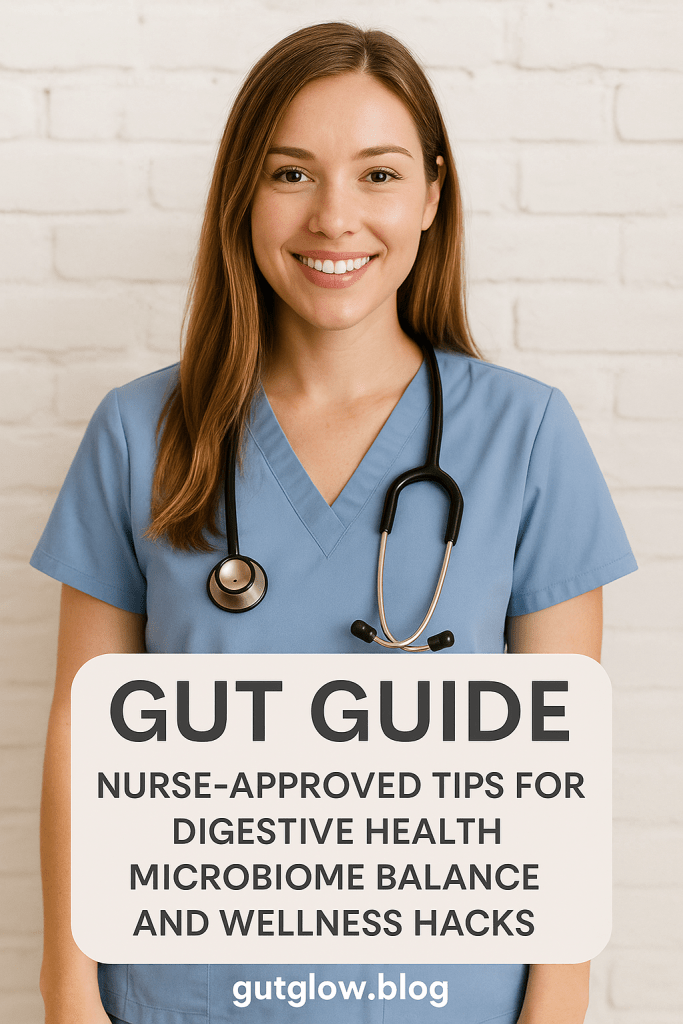
    🦠 Gut Guide: Nurse-Approved Tips for Digestive Health, Microbiome Balance & Wellness Hacks🦠


    Boost your gut health with nurse-approved tips! Learn microbiome secrets, digestive hacks, and wellness routines for better skin, energy & mood.


    Let’s talk about guts—yours, mine, and the trillions of tiny tenants renting space in our intestines. As a nurse with 22+ years of experience, I’ve seen firsthand how gut health affects everything from immunity to mood, energy, and even your skin glow. Your gut is smarter than most people on social media, so let’s give it the attention it deserves!

    Meet Your Microbiome – Your Inner Roommates 🧬
    Your gut microbiome is like a bustling city of bacteria, fungi, and other microbes. Friendly neighbors help digest food and support your immune system; the unruly ones… not so much. Balance is key.

    Signs Your Gut Needs Attention:

    • Bloating
    • Fatigue
    • Brain fog
    • Skin breakouts
    • Mood swings

    Top Nurse-Approved Tips for Better Gut Health 🧻

    1. Fiber Is Your Friend 🥦
    Feeds beneficial bacteria and keeps digestion moving. Eat oats, lentils, apples, chia seeds, and leafy greens.

    2. Fermented Foods = Fantastic 🥒
    Yogurt, kefir, kimchi, sauerkraut, miso support probiotic balance and gut healing.

    3. Quit Feeding the Gremlins 🚫
    Avoid excess sugar, ultra-processed foods, and artificial sweeteners to keep harmful bacteria in check.

    4. Hydrate Like It’s Your Job 💧
    Water aids digestion, supports gut lining, and prevents mistaking thirst for hunger.

    5. Chill, Please 🧘
    Stress disrupts digestion and microbiome balance. Try deep breathing, walks, or even scream-singing in the car.

    Wellness Hacks from a Wound Nurse with a Gut Feeling 🩹

    • Apple cider vinegar before meals (diluted)
    • Digestive bitters to stimulate enzymes
    • Mindful eating: chew your food
    • Magnesium citrate for motility
    • Journal your gut to track foods and symptoms

    Your Gut-Healthy Daily Routine 🧘‍♀️
    Morning: Warm water with lemon or ACV, high-fiber breakfast, probiotic supplement
    Midday: Colorful whole-food lunch, water, 10-min walk/stretch
    Evening: Lighter dinner, herbal tea, phone down & feet up


    Your gut affects everything—digestion, immunity, mood, cravings, and even your skin. Feed it right, move it daily, and listen to its cues. Share your gut-health wins in the comments or subscribe for more nurse-approved tips!

    ⚠️ Disclaimer (Because I’m a Nurse, Not Your Nurse 😉): This blog is for general education and entertainment purposes only.

    Don’t stop here – the best tips are just below ⬇️

    Gut-Friendly Recipes for Radiant Skin

    5 Signs Your Gut Is Affecting Your Skin

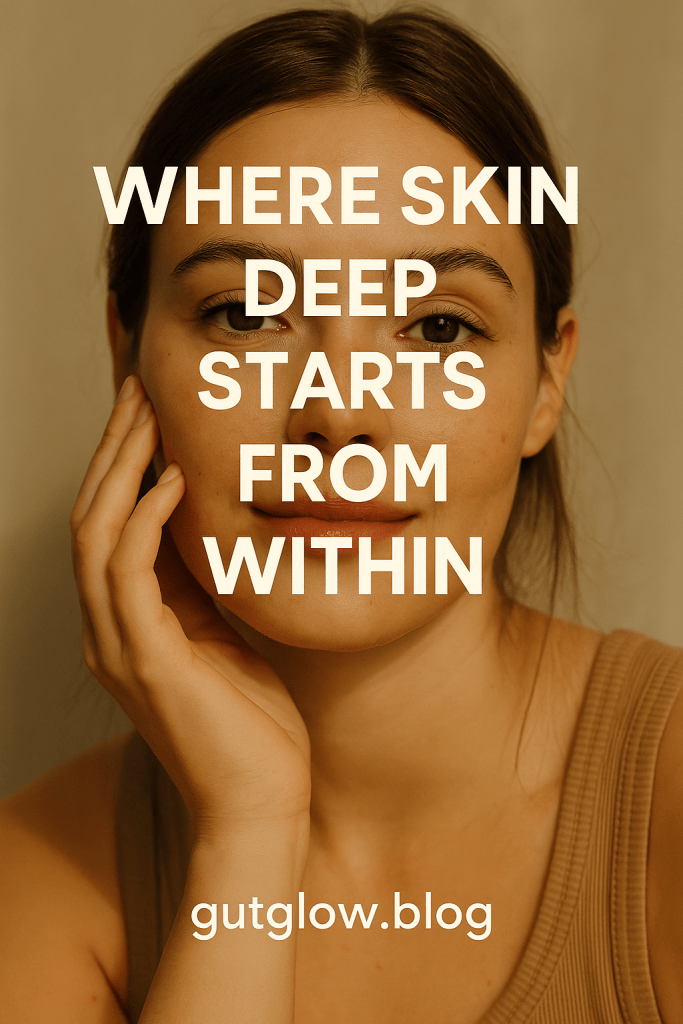
    Where Skin Deep Starts From Within: Unlock Radiant Skin Through Gut Health 🌿✨


    Discover how gut health impacts your skin. Learn nurse-approved tips, gut-friendly foods, and wellness habits for glowing, clear skin from the inside out.


    Let’s be honest—if your skin is acting up, your first thought is probably a new serum or a fancy face mask. But what if the real culprit isn’t sitting on your bathroom counter but deep inside your gut?

    Your gut is home to trillions of microbes that affect everything from digestion and immunity to mood and, yes, skin health. As a nurse with 22+ years of wound care experience, I’ve seen firsthand how a balanced gut can be a game-changer for skin. Welcome to Gut Glow, where radiant skin truly starts from within. 🌿✨


    The Gut-Skin Connection

    Your gut and skin are in constant conversation, known as the gut-skin axis. When your microbiome is out of balance due to stress, poor diet, or antibiotics, inflammation can occur—showing up as breakouts, redness, dryness, or dullness.

    Glow Tip: Supporting your gut can improve skin tone, texture, and hydration.


    Nurse-Approved Tips for a Healthy Gut & Glowing Skin

    1. Fiber Is Your Best Friend

    Fiber nourishes your beneficial gut bacteria and keeps digestion running smoothly. Aim for:

    • Oats
    • Lentils
    • Apples
    • Chia seeds
    • Leafy greens

    💡 Glow Tip: Add fiber gradually to avoid bloating and help your microbiome adapt.


    2. Embrace Fermented Foods

    Probiotics help balance gut bacteria, reducing inflammation that can manifest as skin issues. Include:

    • Yogurt & kefir
    • Kimchi & sauerkraut
    • Miso & tempeh

    Quick Hack: Start with small portions to let your gut adjust.


    3. Hydrate Strategically

    Water supports digestion, nutrient absorption, and overall skin hydration. Try:

    • Drinking a full glass upon waking
    • Herbal teas like peppermint or ginger
    • Limiting sugary drinks

    💧 Tip: Hydration inside = glow outside.


    4. Manage Stress Mindfully

    Stress increases cortisol, which can disrupt gut function and trigger skin inflammation. Strategies:

    • Daily 5–10 minute breathing exercises
    • Short walks during breaks
    • Journaling or meditation

    🧘 Nurse’s Tip: Your gut appreciates calm as much as fiber.


    5. Mind Your Meals:

    Chew slowly, eat smaller portions, and include nutrient-dense foods to reduce bloating and improve digestion. Focus on:

    • High-fiber vegetables
    • Healthy fats like avocado and olive oil
    • Lean proteins

    🌀 Glow Tip: Your skin reflects your digestive efficiency. Eat like your glow depends on it—because it does.


    Foods That Feed Your Gut (and Skin)

    • Leafy Greens – rich in fiber and antioxidants for gut and skin health
    • Berries – antioxidant-rich to combat oxidative stress
    • Avocados – healthy fats for gut lining and skin hydration
    • Sweet Potatoes – beta-carotene supports vitamin A for skin repair
    • Fermented Foods – probiotics for a balanced microbiome
    • Yogurt & Kefir – reduce inflammation and support gut balance
    • Nuts & Seeds – fiber and healthy fats to nourish gut and skin

    💚 Fun Fact: Eating a variety of colorful foods keeps both your gut bacteria and skin happy.


    Lifestyle Habits That Support Gut-Skin Health

    • Regular Movement: Boosts digestion and circulation
    • Sleep: Restores gut and skin health
    • Limit Ultra-Processed Foods: Excess sugar and additives feed bad bacteria
    • Track Your Gut: Journaling meals and symptoms helps identify triggers

    Your skin is more than a reflection of beauty products—it’s a mirror of your gut health. Feed your microbiome, manage stress, hydrate, and embrace gut-friendly foods. Over time, your skin will thank you with radiance and resilience.

    Your Next Step: Start with one small change today—maybe a probiotic-rich breakfast or a 5-minute breathing session. Then watch the glow unfold.

    ⚠️ Disclaimer (Because I’m a Nurse, Not Your Nurse 😉) This blog is for general education and entertainment purposes only. Always consult a healthcare professional before making major changes to your diet or supplements.


    Keep reading to unlock the full scoop 👀