🌸Hormonal Acne and Gut Health: The Hidden Link (And How to Fix It Naturally at Any Age) 🧴


Struggling with hormonal acne? 🧴 The secret may be in your gut. Discover the science-backed gut-skin connection and natural ways to heal from the inside out.


Ever feel like your skin has a mind of its own—especially around that time of the month? 🙋‍♀️ Hormonal acne isn’t just a teenage problem. Many adults, especially women in their 40s and beyond, find themselves battling stubborn chin breakouts while juggling careers, family, and perimenopause.

But here’s the kicker: what if the true culprit isn’t just your hormones… but your gut? 🦠

Recent research has been uncovering the gut-skin axis, showing that your microbiome (those trillions of bacteria in your digestive system) plays a direct role in acne, inflammation, and skin clarity. A 2023 article in Dermatology Times highlighted that dysbiosis (imbalance in gut bacteria) can trigger systemic inflammation, worsening acne and rosacea flare-ups.

In this article, I’ll break down the hidden gut-acne link, sprinkle in some nurse-approved humor, and share realistic tips you can start today. Because glowing skin shouldn’t require a chemistry degree—or a second mortgage on skincare products.


🌸 The Hormonal Acne Struggle Is Real

Hormonal acne typically shows up as painful cysts on the chin, jawline, and sometimes the back or chest. Fluctuating estrogen, progesterone, and testosterone levels create the “perfect storm” of oil overproduction, clogged pores, and inflammation.

But if hormones are the gas pedal, your gut may be the engine. 🚗

Why Your Gut Matters for Hormonal Acne

  • Gut Dysbiosis = Inflammation → When the gut lining is leaky or bacteria are imbalanced, inflammatory signals travel through the bloodstream and straight to the skin.
  • Poor Detox Pathways → The gut and liver help break down excess hormones. If they’re sluggish, hormones recirculate, fueling acne.
  • Nutrient Absorption → If your gut can’t absorb zinc, vitamin A, and omega-3s properly, your skin misses key acne-fighting tools.

👉 Question for you: Have you noticed breakouts spike after a weekend of pizza, cocktails, or stress-snacking? (Yep, your gut is talking!)


🥦 Gut-Friendly Foods That Heal Skin From Within

The good news? You can improve your gut health with food. No expensive “detox teas” required.

Nurse-Approved Acne-Friendly Foods

  • Fiber-rich veggies & legumes → Help regulate estrogen and keep bowel movements regular (because constipation = acne’s BFF).
  • Fermented foods (kimchi, sauerkraut, kefir) → Add healthy bacteria to balance your microbiome.
  • Omega-3 rich foods (salmon, chia seeds, flaxseeds) → Lower inflammation and support healthy oil production in skin.
  • Green tea → Packed with polyphenols that fight oxidative stress. (A 2022 review in Nutrients showed green tea catechins reduced acne lesion counts in adults.)

Glow Tip: Think of your gut as the “skincare fridge” you didn’t know you had. Stock it wisely, and your skin will thank you.


🚰 Hydration, Exercise, and Stress: The Underestimated Acne Triggers

You don’t need me (a nurse) to tell you that water is life—but hydration truly helps flush toxins and regulate digestion. Aim for at least half your body weight in ounces per day. Add electrolytes if you sweat a lot.

Exercise? A must. Movement improves circulation, lowers cortisol (your stress hormone), and helps balance blood sugar—all acne triggers. A 2023 study in Journal of Clinical Medicine found that women who exercised regularly had fewer inflammatory skin conditions compared to sedentary peers.

And stress? Oh honey, it’s acne fuel. Chronic stress shifts your microbiome, weakens your gut lining, and sends cortisol skyrocketing. Cue jawline breakout city.


💊 Supplements and Skincare Synergy

While food comes first, supplements can give you extra support:

  • Probiotics → Improve gut microbiome balance (look for Lactobacillus and Bifidobacterium strains).
  • Zinc → Reduces acne lesions by regulating oil production.
  • Vitamin D → Supports immunity and inflammation control.

Skincare matters too, but think of it as “support staff” while your gut does the heavy lifting. Gentle cleansers, non-comedogenic moisturizers, and niacinamide serums help manage inflammation without stripping the skin barrier.


✨ Key Takeaways

  • Hormonal acne isn’t just about hormones—it’s deeply tied to gut health.
  • Heal from the inside: eat gut-friendly foods, hydrate, manage stress, and move your body.
  • Supplements and skincare should complement—not replace—a healthy gut routine.

💬 I’d love to hear from you: Have you noticed your skin breaking out after gut-disrupting habits (like antibiotics, stress, or diet changes)? Drop your experience in the comments—I promise you’re not alone.

⚠️ Disclaimer (Because I’m a Nurse, Not Your Nurse 😉): This blog is for general education and entertainment purposes only. Always consult your own healthcare provider before making changes to your diet, supplements, or skincare routine.


Continue reading:

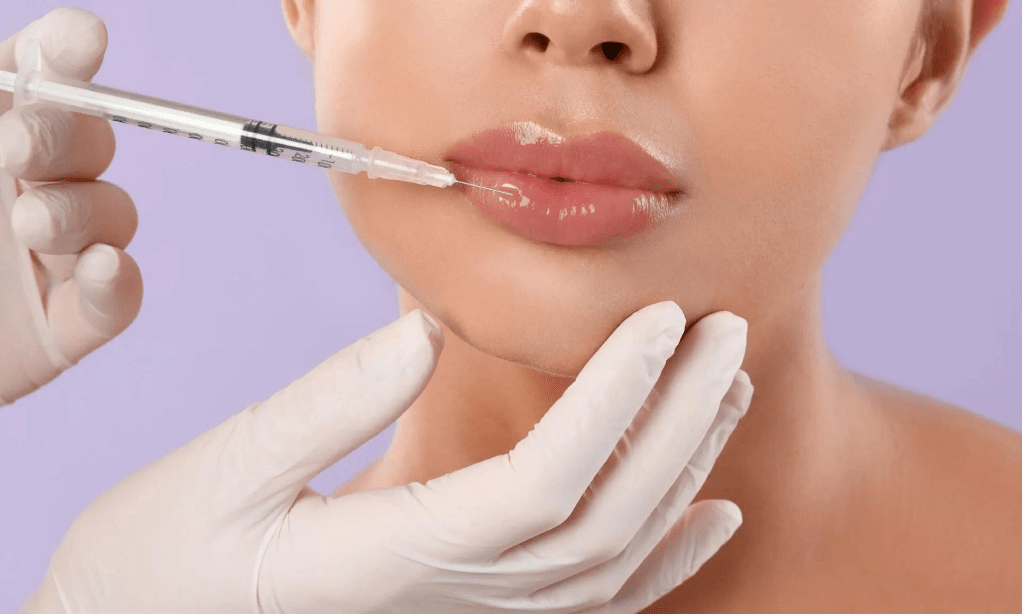
💉 Botox for Beginners: Nurse-Approved Truths About Wrinkles, Gut Health, and Real Glow-Ups


Curious about Botox but don’t know where to start? Get the nurse-approved breakdown of what Botox really does, how it affects skin aging, and how your gut health plays a surprising role in wrinkle prevention.


So… You’re Thinking About Botox? 👀

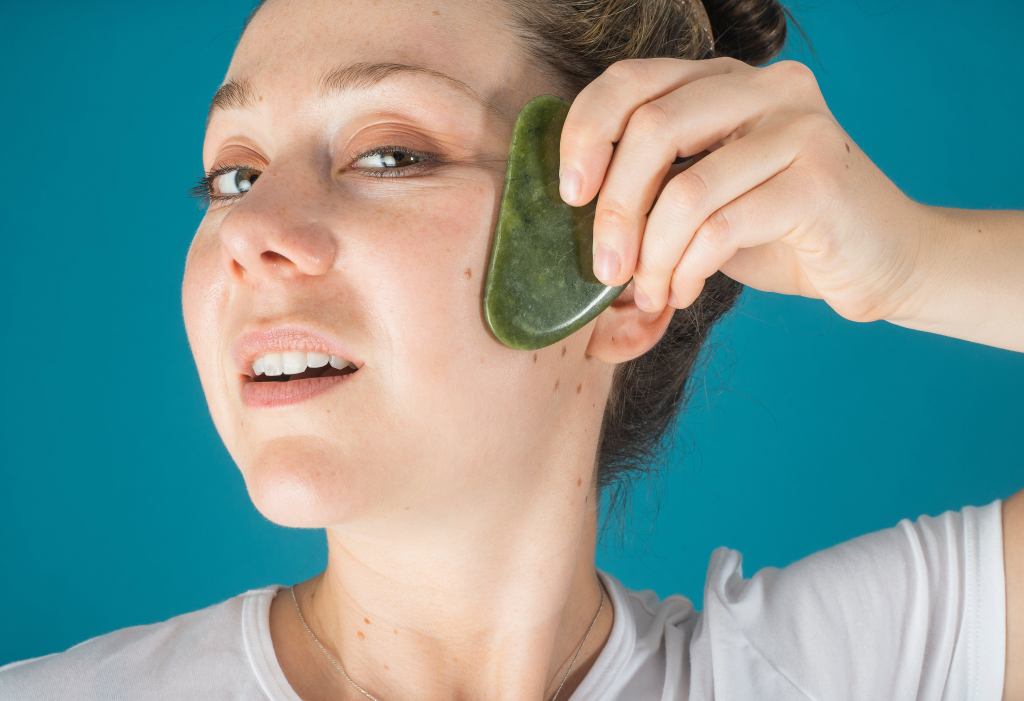
You’ve tried peptides, hyaluronic serums, gua sha, LED masks—and yet, those forehead lines keep waving back at you in every selfie.
Welcome to your Botox curious era—and you are so not alone.

As a wound and ostomy nurse in her fabulous 40s with a passion for skincare, gut health, and glow-ups that go deeper than the dermis, I’m here to tell you the stuff no one really breaks down:
🧠 Botox is effective
💉 It’s safe when done right (with a professional)
🧘‍♀️ But it’s not magic—and your gut and lifestyle matter more than you think

This post will cover what Botox actually does, what beginners need to know, and how your microbiome, hydration, and nutrition can make or break your Botox results.


🤔 What Even Is Botox, Anyway?

Botox is the brand name for Botulinum toxin type A, a purified neurotoxin that temporarily blocks muscle contraction. Translation?
No muscle movement = no wrinkle formation = smoother skin.

It’s FDA-approved for cosmetic use in the:

  • Glabella (frown lines between brows)
  • Crow’s feet (squinty smile lines)
  • Forehead lines
    …and medically approved for things like migraines and excessive sweating too.

It does not fill or plump anything. (That’s filler. Different convo.)


🧠 The Science: Wrinkles, Muscles & Microbiomes

Wrinkles come from repetitive movement and a breakdown of collagen and elastin over time.
Botox prevents the movement part, but did you know:

👉 Collagen loss is heavily influenced by inflammation—and where does chronic inflammation often start? Yep, the gut.

A 2022 review in Nutrients noted that gut dysbiosis contributes to systemic inflammation, which accelerates:

  • Skin thinning
  • Loss of elasticity
  • Slower wound healing
  • Oxidative stress (aka wrinkle fuel)

So yes—Botox can help smooth out the outside. But if your insides are inflamed? That needle’s working overtime.


💩 Botox + Gut Health: A Weird but Important Combo

Gut health affects:

  • Skin texture
  • Hydration retention
  • Collagen production
  • Hormone balance (looking at you, cortisol and estrogen)

And all of those impact how well Botox works and lasts.

Gut Tips That Make Your Botox Work Better:

🥦 Eat more prebiotic foods like garlic, oats, bananas
🥛 Add probiotic-rich items like kefir, sauerkraut, and yogurt
💧 Stay well hydrated—dry skin = faster wrinkle reformation
🍫 Load up on polyphenols (think green tea, berries, dark chocolate)

💡 Internal link idea: Read “How a Healthy Gut Can Transform Your Skin and Hair Naturally”


💉 First Botox Appointment: What to Expect (From a Nurse’s POV)

Here’s what really happens when you get Botox:

✅ Before:

  • Avoid NSAIDs, fish oil, alcohol 24–48 hrs before to reduce bruising
  • Clean face, no makeup
  • Chat with your injector about goals, not just wrinkles
  • Be honest about any health conditions or supplements

💉 During:

  • Tiny needle pokes (you’ll survive!)
  • Procedure takes 5–10 minutes
  • No numbing needed (it’s quick!)

🕐 After:

  • No touching or rubbing the area for 4 hours
  • Skip workouts, facials, and massages for 24 hrs
  • Full results in 7–14 days
  • Lasts about 3–4 months (your mileage may vary)

🥗 Best Gut-Friendly Foods to Pair with Botox

FoodGut BenefitSkin Impact
Bone BrothCollagen + amino acidsFirms skin, hydrates joints
SauerkrautProbioticsCalms redness, supports barrier
BerriesPolyphenols + antioxidantsProtects from oxidative stress
FlaxseedOmega-3s + fiberHydrates skin, reduces inflammation
AvocadoHealthy fatsKeeps skin plump and moisturized
Green TeaAnti-inflammatoryFights skin aging

💡 Internal link: Check out my post on Skin Barrier Tips (and Why Your Elbows Need Love Too)


💡 Common Botox Myths—Nurse Debunked!

❌ “It will freeze your face.”

✅ Nope. If done correctly, Botox softens movement, not stops it. (Your eyebrows will still work!)

❌ “You’ll be addicted.”

✅ Botox is not addictive. You might love the results, but it doesn’t cause dependency.

❌ “I’m too young or too old.”

✅ Preventative Botox in your 30s or early 40s is common, and late-starters can still benefit! What matters is muscle strength, skin quality, and your goals.


✍️ Let’s Talk About It: Botox + Gut Glow Combo

Have you tried Botox? Thinking about it?
Do you focus on gut health to boost your skincare results?

👇 Drop your questions or experiences in the comments—I’d love to hear your story!


💬 Final Thoughts: Wrinkles, Wellness, and What Actually Works

Botox can soften lines, but real radiance? That comes from treating your gut like gold, staying hydrated, fueling your skin from the inside, and using clinical treatments wisely.

Whether you choose to smooth, smile-line proudly, or both—make it your choice.
And remember: Beauty isn’t just skin deep—it’s gut deep too.


💚 Related Posts You’ll Love:

⚠️ Disclaimer (Because I’m a Nurse, Not Your Nurse 😉)

This blog is for general education and entertainment purposes only. It’s not intended to diagnose, treat, or offer personal medical advice. Always consult with your licensed provider or board-certified injector for individualized care.

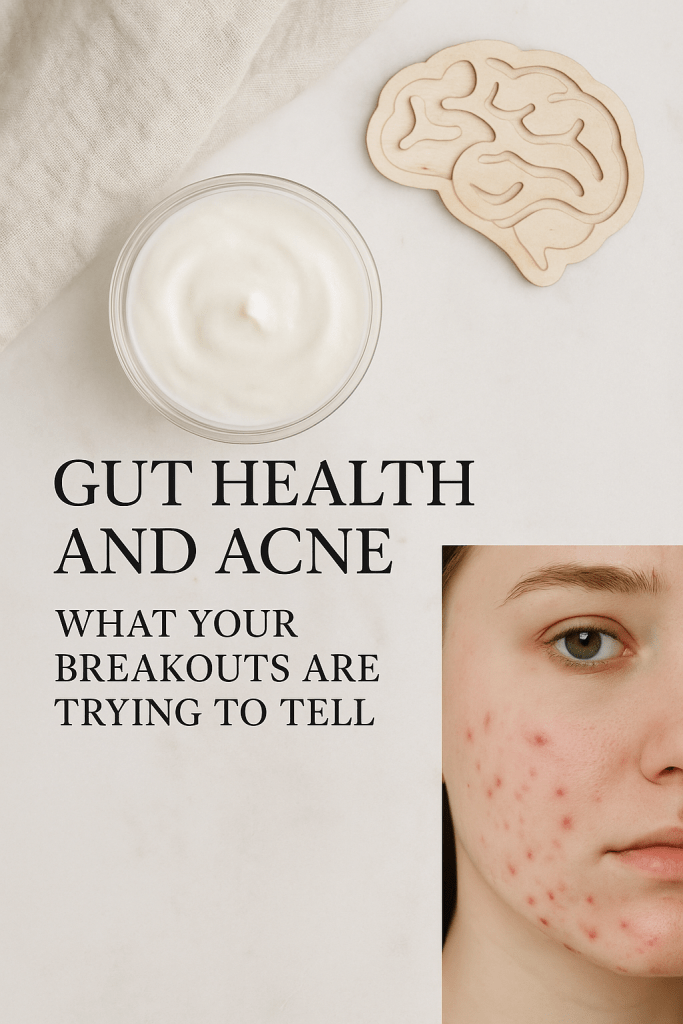
Gut Health and Acne: What Your Breakouts Are Trying to Tell 🧠🧼


Struggling with breakouts that won’t quit? Your gut might be the real culprit. Learn how gut health affects acne, the best foods for clear skin, and how to heal from the inside out—nurse-approved!”

Acne and Gut Health: More Connected Than You Think ✨

As a wound and ostomy nurse in my 40s who’s obsessed with all things skin, poop, and probiotics (yep, I said it 💩💁‍♀️), I can confidently say your breakouts might be your gut waving a red flag 🚩.

It’s not just about what you put on your face. It’s about what’s happening inside your digestive system. This is the gut-skin connection in action — and it’s real, backed by science, and something I’ve seen both personally and professionally.


What Is the Gut-Skin Axis? 💛

The gut-skin axis is the two-way communication system between your digestive system and your skin. When your gut is out of balance (a condition called dysbiosis), it can set off inflammatory responses that show up as acne, rashes, or dullness.

🧪 What the Research Says:

A 2022 study in the Journal of Clinical Medicine found that people with acne had less diverse gut bacteria and higher levels of harmful microbes compared to those with clear skin. Gut imbalances were linked to increased systemic inflammation and compromised skin barriers.

Translation? Your gut microbiome may be throwing shade at your glow ✨.


💩 Poop Clues: How to Tell If Your Gut Is Messing with Your Skin

  • You get breakouts after eating sugary or dairy-rich foods 🍦
  • You have bloating, gas, or irregular poops
  • Your skin flares up after stress or antibiotics
  • You feel “off” in your digestion and your skin looks dull or inflamed

My Story: How Fixing My Gut Helped My Skin 🫂

In my 30s, I broke out along my jawline like a teen prepping for prom. I was using fancy skincare and eating what I thought was healthy — but I still had breakouts.

Once I focused on my gut, things changed. I added probiotic-rich foods, upped my fiber, cut back on sugar, and focused on hydration. Within 6 weeks, I noticed fewer breakouts, better digestion, and more energy. 🙌


Gut-Friendly Foods That Help Heal Skin From the Inside 🍽️✨

1. Probiotic-Rich Foods

  • Examples: Yogurt, kefir, kimchi, miso
  • Why: They restore gut flora and reduce systemic inflammation that fuels acne

2. Prebiotic Foods

  • Examples: Bananas, onions, garlic, leeks, asparagus
  • Why: These feed the good bacteria in your gut

3. Omega-3s

  • Examples: Salmon, sardines, flaxseeds, walnuts
  • Why: Fight inflammation and support the skin barrier

4. Antioxidant Powerhouses

  • Examples: Blueberries, spinach, sweet potatoes
  • Why: Protect against oxidative stress and brighten skin tone

What to Avoid to Keep Your Gut & Skin Happy 🙅‍♀️

  • Processed sugar: Feeds bad bacteria and increases breakouts
  • Overuse of antibiotics: Kills off your good gut bugs
  • Stress: Weakens the gut lining and messes with hormones
  • Low-fiber diets: Starve your beneficial microbes

Nurse Talk: Why This Gut-Skin Thing Matters Beyond Pimples 👩‍⚕️🧬

As someone who works with skin and guts all day (yes, even colostomies), I see firsthand how gut health influences wound healing, skin regeneration, hydration, and immunity.

Your skin isn’t just for selfies — it’s your largest organ and reflects what’s going on inside. When your gut is inflamed, your skin is too.


What About You? 🗣️

Have you noticed breakouts when your gut is off? Ever tried probiotics for your skin? Drop a comment and let’s compare poop-and-pimple stories 🤭💬


Stay glowy (and regular),

Your Favorite Wound Care Nurse Who Talks About Poop & Pimples 💕

⚠️ Disclaimer: I’m a Nurse, But Not Your Nurse 😉
This blog is for general education and entertainment purposes only. It’s not medical advice. Always talk to your healthcare provider before starting new diets, supplements, or treatments. Your skin is unique—just like your poop 💩.

👉 Related: Best Gut-Healing Foods for Thicker, Shinier Hair
👉 Don’t miss: What Your Poop Is Telling You (And When to Worry)

The Gut-Rosacea Link: What You Need to Know for Calmer Skin 🌿🔥


Discover how healing your gut can calm rosacea flare-ups naturally. Learn which gut-friendly foods reduce redness, and why your skin may be shouting for a microbiome reset.


Red Cheeks, Raging Gut? Let’s Talk Rosacea 🥵

Have you ever looked in the mirror and thought, “Why do I look like I just ran a 5K in the desert?” when you’ve done literally nothing? If so, rosacea might be flaring—and your gut could be whispering (or screaming) for attention.

Rosacea is more than just a surface issue. Sure, it shows up as persistent redness, visible blood vessels, bumps, or even eye irritation—but beneath that flushed exterior, your gut may be the silent troublemaker.

As a wound and ostomy nurse in my 40s, I’ve seen firsthand how skin reflects internal chaos. And yes, even poop problems can show up as skin drama! Let’s break down the gut-skin drama and get you on track to calmer, clearer skin.


💡 What Is Rosacea—And Why Might Your Gut Be Involved?

Rosacea is a chronic inflammatory skin condition that affects over 14 million Americans, according to the American Academy of Dermatology.

While the exact cause is still being researched, triggers include:

  • Spicy food
  • Alcohol (I know… I’m crying too)
  • Stress
  • Sun exposure
  • Certain skincare ingredients
  • AND gut dysfunction 🤯

A 2022 study in The Journal of Clinical Medicine found a strong association between rosacea and small intestinal bacterial overgrowth (SIBO). Another study showed that patients with rosacea were more likely to have Helicobacter pylori infections—yep, that same bacteria linked to stomach ulcers.


🔬 Your Microbiome Matters—Here’s Why

Your gut is home to trillions of bacteria (a literal microbial metropolis 🏙️). When that delicate ecosystem gets disrupted—by poor diet, antibiotics, stress, or even lack of sleep—your immune system can go haywire, triggering inflammatory skin conditions like rosacea.

Inflammation, leaky gut syndrome, and dysbiosis (an imbalance in gut bacteria) can all lead to increased skin sensitivity, redness, and breakouts.


🌿 Gut-Healthy Foods That Soothe Rosacea

Your gut can be your greatest ally—or your worst enemy—when it comes to skin health. Here’s how to feed it right:

🥦 1. Prebiotics = Skin’s Peacekeepers

Prebiotics feed your good gut bacteria, which help reduce inflammation.
Eat more of these:

  • Asparagus
  • Garlic
  • Onions
  • Leeks
  • Green bananas
  • Oats

🥣 2. Probiotics = Redness Reducers

Live bacteria in probiotics help restore gut balance and can calm rosacea symptoms.
Try these:

  • Yogurt with live cultures
  • Kefir
  • Sauerkraut
  • Kimchi
  • Miso
  • Kombucha (opt for low sugar)

🫐 3. Antioxidants = Skin’s Fire Extinguishers

Antioxidants help fight oxidative stress and flare-ups.
Top choices:

  • Blueberries
  • Green tea
  • Spinach
  • Avocados
  • Wild-caught salmon (omega-3s, baby!)

💧 4. Hydration = Barrier Support

Drink your water, folks. A dry gut = a dry, reactive face. Aim for 8–10 cups daily. Bonus if you infuse it with cucumber or mint for a skin-loving boost!


🚫 Foods That Fuel Flare-Ups

Some foods make rosacea worse by disrupting the gut or triggering inflammation. Sorry in advance…

  • Refined sugar
  • Processed meats
  • Fried foods
  • Excess alcohol
  • Gluten (for some people, especially if they have celiac or gluten sensitivity)
  • Dairy (individual tolerance varies)

🧪 My Story: From Red-Faced to Radiant

Let me spill the (kombucha) tea. Years ago, during a super stressful work season, I noticed redness creeping across my cheeks. I blamed stress. Or maybe too much coffee.

Turns out, my gut was a mess—poor sleep, stress, way too much takeout, and antibiotics had wrecked my microbiome. Once I started focusing on gut-healing meals, sipping bone broth, adding fermented foods, and cutting back on sugar and alcohol… my skin started behaving like it loved me again 💕

And now? People ask what I use on my skin. Spoiler: It’s mostly what I eat.


🧘‍♀️ Lifestyle Hacks That Calm Both Gut and Skin

☀️ Use Mineral Sunscreen

Zinc oxide isn’t just reef-safe—it’s also anti-inflammatory and perfect for sensitive, rosacea-prone skin.

I like EltaMD SPF40 because is a moistener sunscreen with zinc oxide.

🧘‍♀️ Practice Gentle Movement

Walking, yoga, and deep breathing reduce cortisol and support digestion. Stress = flares, so chill is the goal.

💊 Consider Supplements (With Your Doc’s Okay)

  • Probiotics for gut balance
  • Zinc for skin healing
  • Omega-3s for inflammation
  • Vitamin D for immune support

(Again, check with your provider before starting anything new!)


✅ Quick Rosacea Recovery Checklist

Glow Up from the Inside: Your Rosacea Recovery Checklist
🔲 Add a probiotic-rich food to your daily meals
🔲 Swap refined carbs for fiber-rich veggies
🔲 Drink herbal teas (peppermint or ginger are gut-loving faves)
🔲 Apply a gentle, fragrance-free mineral sunscreen daily
🔲 Get 7–8 hours of sleep (your skin regenerates at night!)
🔲 Track your triggers in a food + skin journal


✨ Final Thoughts: Heal Your Gut, Calm Your Face

Rosacea isn’t just skin-deep. Inflammation starts within—and often, that “within” is your gut. With some diet tweaks, daily habits, and a whole lot of skin-gut love, you can calm the fire and glow from the inside out.

You don’t have to accept flare-ups as your forever look. Your skin is trying to tell you something—listen to your gut (literally).


💬 I’d Love to Hear from You!

Have you tried changing your diet to manage rosacea or other skin conditions? What worked for you—or what totally didn’t? Drop your thoughts, tips, or stories in the comments below!

⚠️ Disclaimer: Read This Before You Glow!
I’m a nurse, but I’m not your nurse. This blog is for general education, empowerment, and a sprinkle of entertainment. It’s not medical advice, diagnosis, or treatment. Always check in with your healthcare provider before making changes to your diet, supplements, or skincare routine—especially if you’re dealing with chronic conditions. Your body is beautifully unique, and it deserves personalized care. 💛

🚶‍♀️Walking for Wellness: How a Daily Stroll Improves Digestion and Skin Glow

Discover how a simple daily walk can boost digestion, reduce bloating, and give your skin that natural glow. Backed by gut health science—and a nurse who loves poop talk.


Why Your Gut (and Skin!) Love a Walk After Dinner

Okay, real talk: as a nurse in my 40s who’s spent decades working with wounds, guts, and skin—sometimes all at once—I live for the small habits that deliver big results. One of the simplest? Walking.

No, not power walking in neon leggings (unless that’s your vibe). I’m talking about a relaxed, 20-30 minute daily stroll. Just you, your gut microbiome, and the sidewalk.

Walking is like a gentle massage for your intestines. It gets your digestion going, supports regularity (we love a good poop 🧻), and yes—it can even make your skin glow.

Let’s break it down, gut to glow ✨.


The Gut-Skin Axis: A Quick Refresher

You’ve heard me say it before, and I’ll say it again: what happens in your gut doesn’t stay in your gut.

Your digestive system is directly connected to your skin through what’s called the gut-skin axis. Imbalances in your microbiome (that community of bacteria in your belly) can show up on your skin as:

  • Acne
  • Eczema
  • Rosacea
  • Dullness or dryness
  • Premature aging (hello, wrinkles 👋)

A 2023 study published in Frontiers in Microbiology found that people with healthier, more diverse gut microbiomes also had better skin hydration and elasticity. That means a happier belly = plumper, glowier skin.


The Magic of Movement: How Walking Affects Your Gut

1. Improves Digestion and Reduces Bloating

Ever notice how you feel lighter and less gassy after a walk? That’s because walking:

  • Stimulates peristalsis (aka the wave-like motion that moves food through your intestines)
  • Helps reduce constipation
  • Encourages gas to move along instead of building up

A study in Gastroenterology and Hepatology (2021) found that a 15-minute walk after meals improved digestion and reduced post-meal bloating in individuals with IBS.


2. Lowers Inflammation—The Root of All Skin Drama

Chronic inflammation in the gut can lead to systemic inflammation. Guess where that shows up first? Yep—your face.

Low-impact cardio like walking:

  • Lowers stress hormones like cortisol
  • Boosts circulation
  • Reduces inflammatory cytokines (those troublemakers that trigger skin flare-ups)

Regular walkers tend to have clearer skin, fewer breakouts, and less puffiness. Glow up from the sidewalk up!


3. Boosts Microbiome Diversity

Movement improves blood flow to your GI tract and helps your gut bacteria thrive. Research in the International Journal of Sports Medicine showed that people who exercised regularly had more microbial diversity, especially in anti-inflammatory strains.

That’s important, because diverse gut flora = a better barrier = stronger, healthier skin.


My Story: A Walk, a Smoothie, and a Surprise Glow

A few years ago, I was dealing with stress, random breakouts, and a serious case of “blah skin.” I started doing one small thing every day: a walk after dinner.

I didn’t change my whole life—I just committed to moving after meals and paired it with a gut-friendly diet (think: fermented foods, fiber, and a killer smoothie—see below 👇). Within 3 weeks:

  • My skin tone looked brighter
  • My bloating disappeared
  • And my mood? Totally lifted

It felt like I’d pressed the reset button—from the inside out.


Gut-Friendly Foods That Pair Well with Walking

Want even more results from your strolls? Feed your microbiome with these skin-supporting goodies:

🥬 Leafy Greens (Spinach, Kale):

Rich in fiber to keep things moving and loaded with skin-friendly antioxidants.

🥕 Fermented Foods (Kimchi, Sauerkraut, Greek Yogurt):

Restore gut flora and reduce inflammation.

🍓 Berries:

High in vitamin C and polyphenols—your skin’s best friends.

💧 Water with Lemon:

Keeps digestion smooth and skin hydrated.

Pair these with your walk and you’ve got a glow-getting combo.


BONUS RECIPE: My “Glow & Go” Cinnamon Vanilla Gut-Skin Smoothie 🌱

Ingredients:

  • 1 cup unsweetened oat milk
  • 1 tsp matcha
  • ½ frozen banana
  • 1 scoop collagen peptides
  • 1 tsp ground flaxseed
  • ¼ tsp cinnamon
  • ½ tsp vanilla extract
  • Ice cubes

Blend and enjoy post-walk. Your skin will say thank you with every sip. (So will your colon. 💚)


Final Thoughts: It’s Simple, Not Silly

We don’t need fancy face creams or restrictive diets to get glowing skin. Sometimes, it’s the basics that work best.

Walking:
✅ Aids digestion
✅ Clears your mind
✅ Improves gut health
✅ Makes you look and feel better

And the best part? It’s free.


Let’s Chat! 👟✨

Have you noticed a difference in your skin or digestion when you walk regularly? Do you have any gut-friendly habits that changed your skin for the better?

Drop a comment below—I’d love to hear your story. 👇
(And you might inspire someone else to take that first step!)

⚠️ Disclaimer (Because I’m a Nurse, Not Your Nurse 😉)
This blog is for general education and entertainment purposes only. Always consult your healthcare provider for personalized medical advice.

Anti-Aging from the Gut: What to Eat to Reduce Wrinkles and Hair Loss Naturally 🌿✨


Why Your Gut Holds the Secret to Fighting Wrinkles and Hair Loss 🧬💁‍♀️

If you’re over 40 like me—a nurse obsessed with skin, gut health, and wellness—you’ve probably tried every cream, serum, and supplement promising to erase wrinkles and stop hair loss. But what if the real fountain of youth lives inside your gut?

Emerging research reveals a powerful gut-skin connection: a healthy gut microbiome helps reduce inflammation, improve nutrient absorption, and boost collagen production, all crucial for youthful skin and strong hair. According to a 2024 review in Nutrients, gut dysbiosis—an imbalance in gut bacteria—is linked with increased skin aging signs and hair follicle damage.

Put simply: what you eat to nurture your gut can literally change the way your skin looks and your hair grows.


How Gut Health Influences Aging Signs Like Wrinkles and Hair Loss 🔬

Your gut is home to trillions of bacteria that regulate immune response and inflammation. When this balance is off, inflammation can become chronic, producing oxidative stress that breaks down collagen and elastin—the proteins that keep skin firm and wrinkle-free. This also disrupts hair follicle health, leading to thinning or hair loss.

  • Chronic Gut Inflammation = Breakdown of collagen → more wrinkles
  • Poor Nutrient Absorption = Lack of vitamins & minerals → brittle hair & dull skin
  • Toxin Build-Up = Skin irritation, premature aging signs

A recent study in Frontiers in Microbiology highlighted that restoring gut balance through diet and probiotics could improve skin hydration, reduce wrinkles, and even support hair regrowth.


My Gut-Glow Journey: From Tired Skin to Radiant Confidence 💪🌟

Let me share my own story. After years working night shifts fueled by fast food and caffeine, my skin looked tired, fine lines deepened, and my hair lost its shine. My digestion was a mess—bloating, irregularity—you name it.

When I started focusing on gut-friendly foods—fermented veggies, fiber-rich grains, and omega-3s—not only did my digestion improve, but my skin started glowing, wrinkles softened, and my hair felt thicker and healthier. #RealTalk #NurseLife


Anti-Aging Superfoods for Your Gut, Skin, and Hair 🥦🍣🍓

Here’s the good stuff—foods that help balance your microbiome, reduce inflammation, and feed your skin and hair at the cellular level:

1. Fermented Foods: Your Probiotic Powerhouses 🥒

Think kimchi, sauerkraut, kefir, and yogurt with live cultures. These foods boost good bacteria that calm gut inflammation and help skin heal faster.

Skin benefits: Reduced redness, fewer breakouts, improved elasticity
Hair benefits: Healthier scalp environment, stronger follicles

2. Fiber-Rich Prebiotics: Feeding the Good Guys 🧄🍠

Foods like garlic, onions, asparagus, and oats nourish beneficial bacteria. They improve digestion and nutrient absorption, critical for skin repair and hair growth.

Skin benefits: Enhanced collagen production and hydration
Hair benefits: Improved delivery of hair-friendly nutrients like zinc and biotin

3. Omega-3 Fatty Acids: The Inflammation Fighters 🐟🌰

Salmon, flaxseeds, chia seeds, and walnuts lower systemic inflammation and protect skin from oxidative damage.

Skin benefits: Increased skin elasticity, reduced wrinkle depth
Hair benefits: Prevents hair follicle inflammation and shedding

4. Colorful Antioxidant-Rich Produce: Nature’s Skin Shields 🫐🥕

Berries, carrots, leafy greens, and red bell peppers are packed with antioxidants like vitamins C and E, which protect skin from sun damage and promote collagen synthesis.

Skin benefits: Brighter complexion, less sun damage
Hair benefits: Supports healthy hair pigment and scalp circulation

5. Hydration Heroes: Water and Herbal Teas 💧🌿

Hydration keeps your skin plump and supports toxin removal through digestion.

Skin benefits: Less dryness, fewer wrinkles
Hair benefits: Keeps hair hydrated and reduces breakage


Supplements That Support Gut and Skin Health (Ask Your Provider First!) 💊

  • Probiotics: Multi-strain, refrigerated for potency
  • Zinc: Skin repair and hair follicle support
  • Vitamin D: Immune regulation and hair health
  • Biotin & Collagen: Structural support for skin and hair

Lifestyle Habits That Boost Your Gut-Skin Anti-Aging Game 🏃‍♀️🛌

  • Move your body: Exercise boosts circulation and digestion.
  • Prioritize sleep: Your cells repair and regenerate while you snooze.
  • Manage stress: Chronic stress harms gut bacteria and accelerates aging.
  • Regular bowel movements: Efficient toxin removal prevents skin flare-ups.

Easy Anti-Aging Gut-Friendly Recipe Idea: The Gut-Glow Bowl 🍽️✨

Combine fermented veggies, leafy greens, grilled salmon, quinoa, and a drizzle of olive oil. Add some walnuts and fresh berries on the side. Boom—a delicious way to feed your gut, skin, and hair with every bite.


Ready to Turn Back the Clock From the Inside Out? ⏳💫

Your gut isn’t just about digestion—it’s a major player in how your skin ages and how your hair grows. By nourishing your microbiome with the right foods and habits, you can reduce wrinkles, prevent hair loss, and glow with confidence.


What About You? Let’s Chat! 👇

Have you noticed changes in your skin or hair when you improve your gut health? Tried probiotics or specific foods that made a difference? Share your experience below—I love hearing real-world stories!


Stay glowing and gut-happy

⚠️ Disclaimer (Because I’m a Nurse, Not Your Nurse 😉)
This blog is for general education and entertainment purposes only. It does not replace personalized medical advice. Always consult your healthcare provider before making changes to your diet or skin routine.

The Gut-Skin-Hair Connection: What Your Microbiome Says About Beauty 💁🏽


Beauty Starts in the Belly: Let’s Talk Microbiome Magic ✨

Hey hey! I’m a 40-something wound and ostomy care nurse who loves skin care, poop talk, digestive health, and chasing glow (without chasing trends). I’ve helped hundreds of patients heal wounds from the inside out—and trust me, your gut might just be your best-kept beauty secret.

Your gut microbiome (aka your inner rainforest) has trillions of bacteria that influence how you digest food, fight inflammation, produce hormones, and yes—how your skin and hair behave. When your gut’s out of whack, it doesn’t just affect your poop—it shows up on your face and scalp too.

The Gut-Skin-Hair Axis: A 3-Way Conversation 😄

What Is It?

Science now shows us that your gut, skin, and even your hair follicles are connected by immune responses, inflammation pathways, and nutrient absorption. This trifecta is sometimes called the gut-skin-hair axis. When your gut is inflamed, your skin might break out or get dry, and your hair may lose its luster (or fall out!).

Research Backs It Up

A 2023 review in Microorganisms highlighted how an imbalanced gut microbiome can lead to inflammatory skin conditions like acne, rosacea, and eczema, and even contribute to hair loss. Another study in Nutrients found that people with a diverse gut microbiota had fewer signs of skin aging. Translation? Feed your gut, and your mirror will thank you.

Personal Story: My Gut Was a Hot Mess 🤦🏽‍♀️

After a stressful year full of night shifts, hospital coffee, and zero vegetables, I noticed more than just dark circles. My skin was dull, my hair was shedding, and my digestion was a disaster. I started paying attention to my gut by adding fiber, fermented foods, and yes—more water than I thought was humanly possible.

Three months later? Less bloating, glowing skin, fewer breakouts, and shinier hair. The combo of gut love and self-care really did make me feel younger and more energized. Plus, poop was finally back on a schedule. 😎

Eat This, Not That: Gut-Friendly Foods for Skin & Hair Health 🌿

1. Fermented Foods (Hello, Probiotics!)

  • Yogurt (with live cultures)
  • Kimchi
  • Sauerkraut
  • Miso These feed your good bacteria, which boosts immunity, calms inflammation, and even helps your scalp.

2. Prebiotic-Rich Foods

  • Bananas
  • Garlic
  • Onions
  • Leeks Prebiotics are the food for your probiotics. They help strengthen your gut lining, which keeps skin strong and reduces puffiness.

3. Omega-3s and Healthy Fats

  • Salmon
  • Avocados
  • Chia seeds
  • Walnuts Healthy fats reduce inflammation and support strong hair follicles and hydrated skin.

4. Antioxidant-Rich Fruits and Veggies

  • Blueberries
  • Spinach
  • Sweet potatoes
  • Red peppers These neutralize oxidative stress that causes premature wrinkles and hair damage.

5. Hydration Station 💧

Water keeps your cells plump, reduces dry scalp and skin, and supports detox pathways.

Don’ts: Enemies of Gut & Beauty ❌

  • Sugary drinks
  • Processed foods
  • Excess alcohol
  • Smoking
  • Chronic stress

All of these disrupt the gut barrier, kill good bacteria, and spike inflammation. And yes—you’ll see it on your skin.

Supplements That Support the Gut-Skin-Hair Glow 💊

(Always consult your provider before starting something new)

  • Probiotics (multi-strain)
  • Vitamin D (deficiency = dry skin and hair loss)
  • Biotin (helps with keratin production)
  • Collagen (supports skin elasticity and hair strength)
  • Zinc (heals skin and supports immune system)

Movement, Sleep & Poop: The Underrated Beauty Routine 🤷‍♀️

  • Exercise boosts circulation and improves digestion
  • Sleep is when skin cells regenerate and hormones reset
  • Regular Bowel Movements remove toxins that otherwise exit via skin

It’s not sexy, but beauty truly starts in the bathroom.

What You Can Do Today 📅

  • Add one fermented food to a meal
  • Drink half your body weight in ounces of water
  • Walk 20 minutes after dinner
  • Swap your afternoon snack for a banana with almond butter
  • Start a skin journal to track changes

What Does Your Gut Say About Your Glow? 🧠

Have you noticed a connection between your gut health, skin, or hair?

Drop your story in the comments ⬇️ I’d love to hear what’s working for you (and what isn’t) on your gut-glow journey.

Until next time, stay hydrated, stay regular, and keep shining from the inside out! ✨

⚠️ Disclaimer (Because I’m a Nurse, Not Your Nurse 😉)

This blog is for general education and entertainment purposes only. It doesn’t replace personalized medical advice. Always check with your healthcare provider about anything health-related. Now, let’s get into the juicy stuff—poop, probiotics, and that glow-up from the inside out!

Can Probiotics Help with Hair Growth? The Research-Backed Truth 💊🧠


From Poop Talk to Hair Talk 💩➡️💇‍♀️

If you’re anything like me—a nurse in her 40s who talks about poop as often as she talks about skincare—then you’ve probably wondered: Can my gut health really affect my hair? And more importantly: Can probiotics help my hair grow back or grow better? Let’s dive into the scalp-tingling science! 🧬


What’s the Gut-Hair Connection, Anyway?

The idea that your gut can affect everything from your mood to your skin isn’t new. But researchers are now uncovering links between gut health and hair health too. Just like the gut-skin axis, there’s a growing belief in a gut-hair axis—where inflammation, poor nutrient absorption, and microbial imbalances (dysbiosis) can contribute to hair loss and poor hair quality.

A 2021 study published in Frontiers in Cellular and Infection Microbiology found that gut microbial imbalances were linked to telogen effluvium (a common type of hair shedding), due to increased systemic inflammation and nutrient depletion. So, yep—it’s not just vanity, it’s biology!


How Probiotics Might Help With Hair Growth 🦠💇‍♀️

Probiotics are live beneficial bacteria that help balance your gut microbiome. Here’s how they could potentially boost your hair health:

1. Reduce Inflammation

Chronic inflammation can disrupt the hair cycle and damage hair follicles. By balancing gut flora, probiotics help lower inflammation throughout the body, including the scalp.

2. Improve Nutrient Absorption

Your hair thrives on nutrients like biotin, zinc, iron, and B vitamins. A healthy gut helps absorb these more efficiently, making sure your hair gets the building blocks it needs to grow.

3. Support Hormonal Balance

Some strains of probiotics (like Lactobacillus rhamnosus) may support hormonal health by improving estrogen metabolism—important for those struggling with hormone-related hair loss.

4. Boost Immunity & Fight Pathogens

An overgrowth of harmful bacteria or yeast (like Candida) can interfere with nutrient absorption and trigger immune responses that impact hair health. Probiotics help keep these troublemakers in check.


My Story: Poop, Probiotics & Ponytail Power 💪💩

I used to think thinning hair was just a side effect of getting older (hello, 40s 👋) genetics is involve too. But when I started focusing more on gut health—cutting out processed foods, upping my fiber, and taking a targeted multi-strain probiotic—I noticed more than just better digestion. My skin glowed, my bloating improved, and surprise… my hair looked thicker. My ponytail actually bounced again. Coincidence? I think not.


Best Probiotic Strains for Hair & Scalp Health

Not all probiotics are created equal. Here are a few that show promise:

  • Lactobacillus plantarum – Anti-inflammatory, promotes nutrient absorption
  • Lactobacillus rhamnosus – Supports hormonal balance
  • Bifidobacterium longum – Reduces gut inflammation
  • Lactobacillus paracasei – Helps skin and scalp barrier function

🔍 Tip: Look for a high-quality probiotic with multiple strains and at least 10–20 billion CFU.


Gut-Friendly Foods That Also Feed Your Hair 🍓🥬🐟

Food is your foundation. These are my go-to gut-friendly foods for strong hair:

  • Fermented foods (yogurt, kefir, sauerkraut, kimchi) – Natural probiotics
  • Leafy greens – Full of folate, iron, and fiber
  • Fatty fish – Omega-3s reduce inflammation
  • Sweet potatoes – Rich in beta-carotene for scalp health
  • Pumpkin seeds – Packed with zinc and magnesium

P.S. These are also amazing for wound healing—bonus nurse tip! 🩹


What Does the Research Say? 📚

A 2022 review in the Journal of Cosmetic Dermatology noted that probiotics may improve the scalp microbiome, reduce dandruff, and support hair follicle cycling. Another clinical study showed that participants who took probiotics reported better skin hydration and hair strength.

So while more research is needed, the science is catching up with what many of us see in real life.


Final Thoughts: Should You Take Probiotics for Hair Growth? 🤔

If your gut is struggling, your hair likely is too. While probiotics aren’t a magic fix, they’re a powerful tool in a holistic approach to beauty, wellness, and—yep—even wound healing. Think of them as beauty boosters that start in your belly.


Let’s Get Chatty 💬

Have you ever tried probiotics for your skin or hair? Did you notice a difference? Drop your experience in the comments—I’d love to hear what’s worked (or flopped) for you!

And if you loved this post, check out:


https://gutglow.blog/2025/05/27/%f0%9f%a6%a0-probiotics-for-your-face-the-gut-skin-connection-you-need-to-know/

https://gutglow.blog/2025/05/31/microdermabrasion-101-the-secret-to-radiant-smooth-skin-%e2%9c%a8/


    Thanks for hanging out with me today, friends. Until next time—stay hydrated, eat your fiber, and don’t be afraid to talk about poop. 😉

    ⚠️ Disclaimer (Because I’m a Nurse, Not Your Nurse 😉)

    This blog is for general education and entertainment purposes only and should not be considered medical advice. Always consult your healthcare provider before starting new supplements or treatments.

    💎 Luxury Skincare: Splurge or Save? A Nurse’s Honest Take 💸

    Let’s talk about that $300 face cream calling your name at Sephora, or that serum with gold flakes that promises to reverse time. Are luxury skincare products really worth the splurge? Or are we all just rubbing overpriced hope into our pores?

    As an ostomy and wound care nurse in my 40s—and a total skincare nerd—I’ve tested my fair share of products (and peeked at a lot of ingredient lists). I’m here to break it down with a dose of science, sass, and skin-gut wisdom. 🧴🧠✨


    💰 Splurge-Worthy or Skin Scam?

    Let’s get this out of the way: expensive doesn’t always mean better. But cheap doesn’t always mean effective either. So where’s the line?

    ✅ When to SPLURGE:

    These items can be worth the extra dollars if:

    🔬 They have clinically backed ingredients.
    Look for proven powerhouses like retinol, peptides, niacinamide, and vitamin C—especially when in stable, high-quality formulations.

    🧪 They offer advanced delivery systems.
    If a luxury serum has encapsulated ingredients that penetrate deeper and work longer, it may be worth it (especially for aging or damaged skin).

    💆 Texture and sensory experience matter.
    If your $90 night cream makes you want to stick to your routine because it feels heavenly, that’s self-care magic I can get behind.

    👃 They’re free from irritants and full of nourishing extras.
    Sensitive skin? You’ll often find luxury lines invest in calming ingredients like ceramides, centella asiatica, or probiotic ferments.


    🧴 When to SAVE:

    A nurse’s budget (and practicality) says there are times to absolutely keep your coins:

    🧼 Cleansers.
    It’s on your face for 60 seconds. Drugstore options with gentle surfactants do just fine (I see you, CeraVe and Vanicream).

    💧 Hydrators.
    Want to trap water in your skin? Look for glycerin, hyaluronic acid, or squalane—you can find all of these in affordable formulas.

    ☀️ Sunscreens.
    SPF is non-negotiable, but you don’t need a $70 bottle. Some of my favorites are under $20, with great feel, broad spectrum protection, and no white cast.


    🧠 Let’s Talk Gut-Skin Realness

    Now here’s where the nurse in me can’t help but chime in: a $200 moisturizer won’t do much if your gut health is a dumpster fire. 💩🔥

    When your digestive system isn’t happy, you can see it on your face—breakouts, dullness, sensitivity, inflammation. If your skin looks “off,” don’t just shop for serums—check your poop, water intake, fiber, stress, and sleep. Yes, even the fanciest cream can’t fix leaky gut syndrome or chronic constipation. 😉

    Want glow? Pair your skincare with:

    • 🌱 Probiotics & prebiotics (yes to fermented foods!)
    • 🥦 Antioxidant-rich veggies
    • 💧 2-3L of water/day
    • 💤 Actual sleep (not just melatonin dreams)

    🩺 A Nurse’s Honest Bottom Line

    Splurge strategically. Don’t fall for fancy packaging alone. Invest where it counts—actives, treatments, and products that truly enhance your routine or solve a problem.

    Save smartly. Skincare isn’t a status symbol. You can have radiant, resilient skin with the right drugstore products and a solid gut game.

    Care from the inside out. Skin health is a full-body conversation—and that includes your intestines, hydration, stress, and even your poop schedule. (Nurse mic drop 🎤💩)


    💬 Let’s Chat

    Have a product you’ve been eyeing but unsure if it’s worth it? Drop it in the comments and I’ll give you the no-fluff nurse verdict! 👇


    ⚠️ Disclaimer (Because I’m a Nurse, Not Your Nurse 😉)

    This blog is for general education and entertainment purposes only. Always consult with your dermatologist, primary care doc, or wound/ostomy care specialist for personalized advice—especially if you have specific conditions, allergies, or medical devices like an ostomy. What works for one skin type might irritate another—so go slow, patch test, and listen to your body.


    ☀️ Sunscreens That Don’t Suck: Nurse-Approved Picks for Real Life

    Because your skin deserves more than just a “nice smell” and a sticky feeling.

    Let’s be real: sunscreen is non-negotiable if you want to keep wrinkles, dark spots, and skin cancer at bay. But finding a sunscreen that feels good, works well, and doesn’t make you look like a greasy ghost? That’s the real challenge.

    As a wound and ostomy nurse in my 40s who’s obsessed with skin, gut health, and all things wellness, I’m here to cut through the sunscreen marketing noise and give you the no-BS lowdown. 💉✨


    🧴 What Makes a Sunscreen Actually Good?

    First, a quick refresher on the science because I geek out over this stuff:

    • Broad Spectrum: Protects against UVA (aging rays) and UVB (burning rays)
    • SPF 30 or Higher: Blocks ~97% of UVB rays (yes, 30 is the minimum, not 100)
    • Water Resistant: Because sweating, swimming, and life happen
    • Non-comedogenic: Won’t clog pores or cause breakouts
    • Safe Ingredients: Preferably mineral-based (zinc oxide, titanium dioxide) for sensitive or acne-prone skin

    😩 Why So Many Sunscreens Suck

    • Too greasy or heavy → makes you shiny not glowy
    • White cast → hello, ghost face!
    • Chemical filters that irritate sensitive or gut-prone skin
    • Smells like a sunscreen factory (who signed off on that?)
    • Breakouts or dryness after use

    🏆 Nurse-Approved Sunscreens That Actually Work (And Don’t Suck)

    I’ve tested these gems on my own skin, in my nurse life, and with patients who have all skin types and conditions—including sensitive, acne-prone, and mature skin.

    1. EltaMD UV Clear Broad-Spectrum SPF 46

    • Lightweight, non-greasy, and calming (hello, niacinamide!)
    • Great for acne-prone and rosacea skin
    • Zinc oxide mineral filter + chemical UV protection

    2. CeraVe Hydrating Mineral Sunscreen SPF 30

    • Hydrating and barrier-friendly with ceramides
    • No white cast and perfect for dry or sensitive skin
    • Mineral-based, fragrance-free

    3. La Roche-Posay Anthelios Melt-in Milk SPF 100

    • Super high protection for intense sun days
    • Lightweight and absorbs quickly
    • Great for all skin types, especially those with a history of skin cancer or photosensitivity

    4. Blue Lizard Australian Sunscreen Sensitive SPF 30+

    • 100% mineral-based (zinc oxide + titanium dioxide)
    • Fragrance and paraben-free
    • Excellent for sensitive and eczema-prone skin

    🔍 What To Look For When Buying Sunscreen IRL

    • Read labels for broad spectrum and SPF number
    • Test a small patch to check for irritation or breakouts
    • Consider your skin type and needs—dry? Oily? Sensitive?
    • Check for water resistance if you’re active or swimming
    • Avoid sunscreens with oxybenzone and octinoxate (potential irritants and reef-harming chemicals)

    💡 Bonus Tips for Ultimate Sun Protection

    • Reapply every 2 hours (yes, every 2 hours!)
    • Use a hat and sunglasses for extra defense
    • Seek shade between 10 am and 4 pm
    • Wear UPF clothing if you’re outside a lot
    • Don’t forget your lips—apply lip balm with SPF too! 💄

    🧠 Nurse’s Note on Gut & Skin Connection

    Sunscreen isn’t just about slapping on chemicals—it’s part of your overall skin and gut health strategy. Chronic sun damage leads to inflammation, which affects your skin barrier and can worsen gut-skin conditions like eczema and acne. Keep your gut happy with good nutrition, hydration, and stress management for the best skin defense.


    ⚠️ Disclaimer (Because I’m a Nurse, Not Your Nurse 😉)

    This blog is for general education and entertainment purposes only. Always consult with your doctor, dermatologist, dietitian, or wound/ostomy care nurse—especially if you have skin conditions or allergies.


    ✨ Final Thought:

    Sunscreen doesn’t have to suck. With the right choices and a little nurse wisdom, you can protect your skin without compromise. Your future self (and your skin) will thank you. 🌞💖